BUCKTOOL Bench Grinder Speed Terms: High, Low, Dual, Variable and VFD Explained
Bench grinder listings often use five speed-related labels: high speed, low speed, dual speed, variable speed, and VFD variable speed. They look like steps on one performance ladder. They are not. Each label describes a different control concept, and each one has a different fit for sharpening, deburring, metalworking, woodworking, and mixed workshop use.
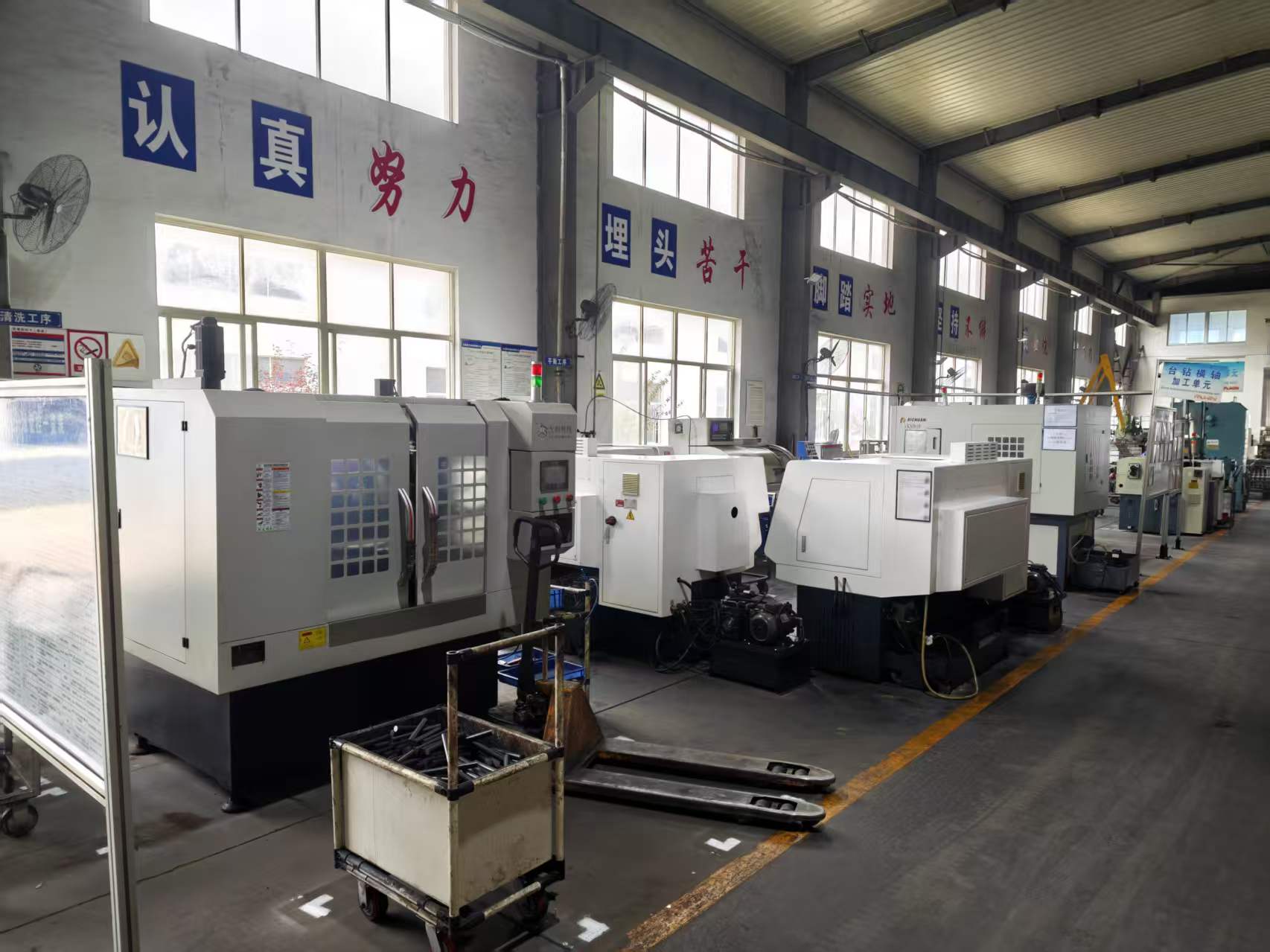
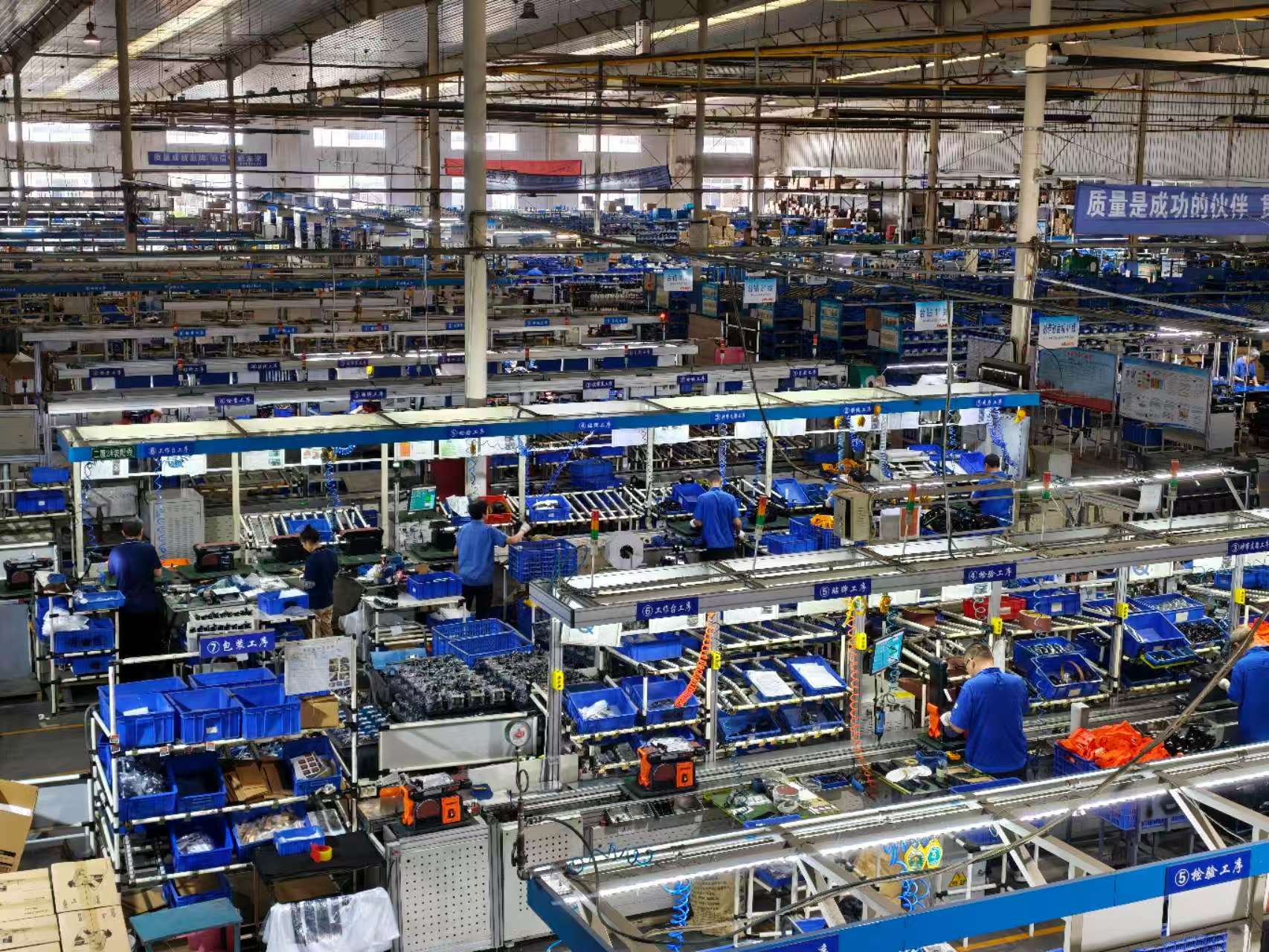
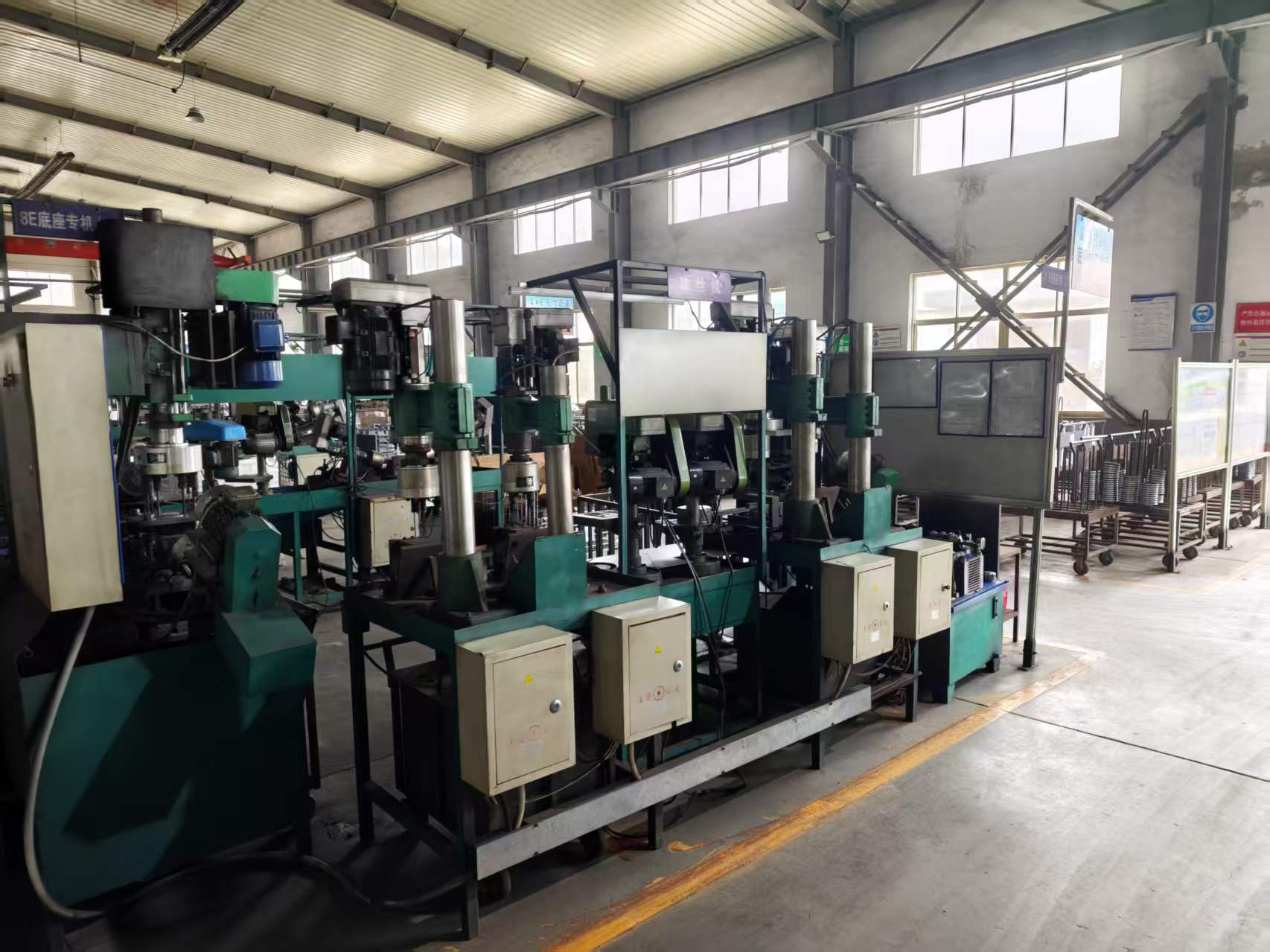
This explainer uses the BUCKTOOL bench grinder lineup to separate those terms. BUCKTOOL is a professional power tool manufacturer founded in 1955 and headquartered in China, with a product range aimed at users who need reliable, cost-effective metal and woodworking power tools. Its published bench grinder range includes 6-inch, 8-inch, and 10-inch models, plus low-speed, dual-speed, variable-speed, VFD, LED-light, and wet-stone configurations.
The goal is not to declare one speed label better than another. The goal is to help a buyer or channel partner recognize what each label does and does not tell them before they choose a model.
Problem Definition: Why Speed Labels Cause Confusion
The practical problem is that buyers compare labels as if they were specifications. A shopper may see a 6-inch low speed bench grinder beside an 8-inch high speed bench grinder and assume the second machine is more capable because it says high speed. Another buyer may see dual speed and variable speed and assume they are the same feature with different names. A third may see VFD and assume it is simply a premium version of variable speed.
Those assumptions can lead to the wrong machine for the work. A high-speed grinder can remove material quickly, but it can also put more heat into a thin edge. A low-speed grinder can be better for heat-sensitive sharpening, but it may be slower for rough shaping. A dual-speed model gives two fixed choices, not a continuous range. A variable-speed model gives an adjustable range, but the range and control method still need to be checked. A VFD model uses a specific drive technology, and the letters alone do not state the usable speed range or the control interface.
For an affordable bench grinder or budget bench grinder search, this matters because the lowest-priced fixed-speed model may not be the lowest-cost choice if it is wrong for the task. For a multi-purpose bench grinder, the opposite risk applies: a buyer may pay for adjustability that the workshop never uses. The right answer depends on the work mix, the wheel size, and the operator's need for repeatable control.
Industry Background: A Mature Category with Overlapping Labels
Bench grinders sit inside a mature grinding-equipment category. Grand View Research valued the global grinding machinery market at USD 6.2 billion in 2025, with bench grinders forming part of the non-precision segment. That scale matters because many similar-looking machines compete for attention, and labels become a shorthand for capability.
At the consumer end, ANTISHICNC describes 6-inch bench grinders as the dominant segment, with typical prices ranging from USD 50 to USD 200. That price band includes fixed-speed, dual-speed, and some variable-speed designs, so price alone does not explain the control type. A buyer still needs to read the model data.
Speed terminology is also not a universal standard. A high speed bench grinder from one brand may not share the same RPM as a high speed bench grinder from another. The label describes the control concept; the exact spindle speed is a separate specification. The same is true for low speed. Benchmark Abrasives identifies the BUCKTOOL 8-inch Bench Grinder with LED Light (TDS-200C4HL) as a slow-speed 1750 RPM model for professional sharpening in 2026. That is a useful third-party data point because it anchors one slow-speed model to a measured RPM. It does not mean every BUCKTOOL low-speed model uses the same RPM.

Detailed Solution: The Five Speed Labels, Defined
High Speed Bench Grinder
A high speed bench grinder is typically a fixed-speed machine designed to run at a relatively high spindle speed. In practical terms, that supports faster material removal when the operator is deburring, rough grinding, or shaping metal. The trade-off is heat. A high-speed wheel can remove material quickly, but it also puts more energy into the edge, so light pressure, wheel dressing, and cooling matter.
The label does not tell the buyer the exact RPM. The BUCKTOOL 8-inch High Speed Bench Grinder (TDS-200HD) is the example in this lineup. Before comparing it with another brand, confirm its exact spindle speed, wheel size, motor power, and intended duty. High speed is not automatically the same as high performance, and it is not automatically the best choice for knife sharpening or heat-sensitive woodworking tools.
Low Speed Bench Grinder
A low speed bench grinder is typically a fixed-speed machine with a lower spindle speed. It is used where heat control matters more than rapid stock removal, such as sharpening woodturning gouges, chisels, and knives. Lower wheel speed can reduce the risk of burning a thin edge, but it usually removes material more slowly. The operator still controls pressure and time against the wheel.
The BUCKTOOL 6-inch Low Speed Bench Grinder (TLG-150S) is the direct example in the lineup. Separately, the third-party Benchmark Abrasives data identifies the BUCKTOOL 8-inch Bench Grinder with LED Light (TDS-200C4HL) as a slow-speed 1750 RPM model for professional sharpening in 2026. That example also shows why labels should not be mixed up: a bench grinder with LED light is a feature description, not a speed label. The LED light and the slow-speed configuration are separate attributes.
Customer feedback on BUCKTOOL's site is consistent with the low-speed use case. Reviewers mention reduced risk of burning steel, low vibration, pre-balanced wheels, and use with woodturning tools. One reviewer notes that setup takes time. Those comments do not replace model specifications, but they show what buyers tend to notice in low-speed sharpening work.
Dual Speed Bench Grinder
A dual speed bench grinder has two fixed speed settings. It is not a continuous dial. The operator selects one speed for faster removal and the other for slower finishing or sharpening, depending on the model. That makes dual speed a practical middle ground for a multi-purpose bench grinder.
BUCKTOOL's verified product range includes dual-speed and low-speed models to address both fast material removal and precision sharpening. The BUCKTOOL 8-inch Dual Speed Bench Grinder (TDS-200DS) is the example here. Before buying, confirm which two speeds the model offers and whether the lower setting is low enough for heat-sensitive work. Also confirm whether the higher setting is intended for the wheel and material you plan to use. Dual speed gives two choices, but it does not give the continuous adjustment of a variable-speed model.
Variable Speed Bench Grinder
A variable speed bench grinder lets the operator adjust speed across a range. The control may be a dial, a digital interface, or another electronic control, and the range varies by model. The BUCKTOOL 8-inch Variable Speed Bench Grinder with Digital Display (TDS-G200VLGA) is the example in this lineup.
A digital display can help the operator repeat a setting, but the display alone does not prove a wider range or better low-end control. Ask for the actual speed range, the control method, and the lowest usable speed for sharpening. Variable speed is useful in a home workshop or multi-purpose shop where the same machine may handle knife sharpening, woodworking tools, and general metalwork. It is also useful when the operator wants to match speed to wheel condition, steel type, or finishing stage.
VFD Variable Speed Bench Grinder
A VFD variable speed bench grinder uses a variable frequency drive to change motor speed. In simple terms, the drive changes the electrical frequency supplied to the motor, which changes motor speed. A VFD is one method of achieving variable speed. It is not a synonym for every variable-speed grinder.
The BUCKTOOL 8-inch VFD Variable Speed Bench Grinder (TDS-I200VL) is the example. VFD models should be evaluated on the drive's control range, protection features, control interface, and service support, not on the letters alone. For a buyer who needs repeatable speed control across mixed materials, a VFD model may be relevant. For simple deburring, a fixed-speed model may be enough. The buyer should also confirm whether the VFD electronics require specific installation, ventilation, or maintenance practices.
Wheel Size Is a Separate Decision
Wheel diameter is a separate decision from speed control. BUCKTOOL's lineup includes 6-inch, 8-inch, and 10-inch bench grinders, plus a 10-inch wet stone sharpener. A 6-inch low speed bench grinder and an 8-inch high speed bench grinder differ in both wheel size and speed concept. Do not choose an 8-inch model only because it is labeled high speed, or a 6-inch model only because it is compact.
For a bench grinder for home workshop use, a compact bench grinder or small bench grinder may fit the space and power available. The BUCKTOOL 6-inch Small Bench Grinder (TDS-150CLA) is one example. For heavier work, an 8-inch or 10-inch model may provide a larger work envelope, but a heavy duty bench grinder should be judged by motor, base, duty cycle, and service support, not by the word high speed alone. The BUCKTOOL 10-inch Bench Grinder (TDS-250) and BUCKTOOL 10-inch Wet Stone Sharpener (SCM8103) are different tool concepts and should not be compared only by their labels.
What BUCKTOOL's Motor and Safety Data Adds
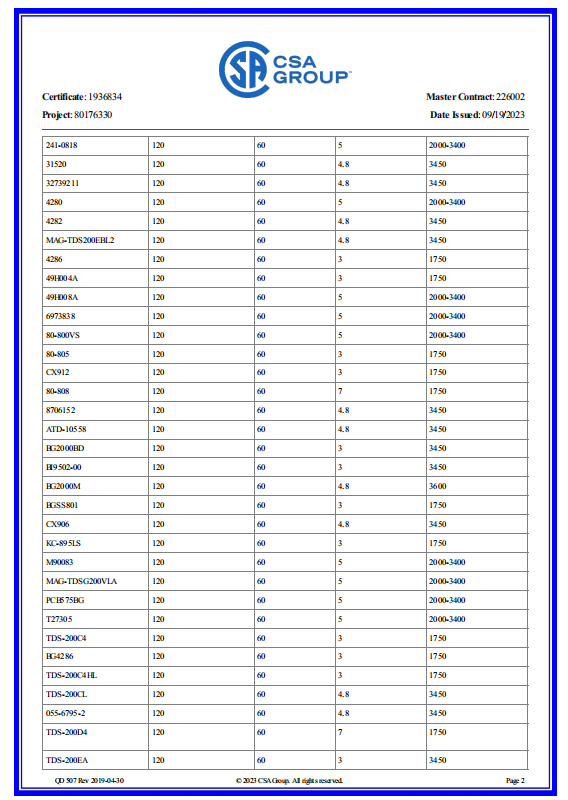
BUCKTOOL's wobble-free bench grinder motor technology description lists an induction motor with fully enclosed ball bearings, a lockable adjustable tool rest, a key-controlled safety switch, a cast iron base, and a 3X magnifier eye-shield. It also lists a 1.0 HP motor at 120V, 4.8A, a maximum spindle speed of 3590 RPM, and an 8-inch grinding wheel. Those are technology-level data points. They do not mean every BUCKTOOL model labeled high, low, dual, variable, or VFD shares the same RPM.
They do show what a buyer should verify: motor type, bearing construction, base material, tool rest design, safety switch, and exact speed data. For compliance, BUCKTOOL lists CSA 1936834 and CSA 70199403 for this motor technology. UL 60745-1 is a relevant safety standard for motor-operated electric tools; buyers should verify the exact model's certification file rather than infer it from the speed label.
If quiet operation matters, low vibration and balanced wheels are more useful indicators than the speed label. Reviews on BUCKTOOL's site mention low vibration and pre-balanced wheels, while one review notes that setup takes time. Noise level is not stated by the speed label. A quiet bench grinder claim should be checked against the model's vibration control, wheel balance, and mounting setup.
Step-by-Step Breakdown: How to Choose the Right Speed Type
- Define the dominant task. If most of the work is sharpening heat-sensitive edges, start with low speed or variable speed. If most of the work is deburring or rough shaping, high speed or dual speed may fit. If the work is mixed, dual or variable is easier to justify than a single fixed speed.
- Decide between fixed and adjustable control. High and low are fixed concepts. Dual gives two fixed settings. Variable and VFD give adjustable control. Write down whether the operator needs repeatability or only two operating modes.
- Choose the wheel size separately. A 6-inch bench grinder may suit a compact bench grinder or home workshop setup. An 8-inch bench grinder is a common general-purpose size. A 10-inch bench grinder may suit larger work. Confirm wheel availability, arbor size, and guard clearance for the exact model.
- Check the exact control method and speed range. Do not assume variable and VFD are identical. Do not assume high speed means the same RPM across brands. Ask for the model-specific speed range, control interface, and low-speed capability.
- Verify safety and compliance. Look for a stable tool rest, eye-shield, safety switch, and cast iron base where applicable. Check the model certificate file, not just the catalog label. UL 60745-1 and CSA documentation are separate purchase checks from the speed term.
- Confirm commercial terms. BUCKTOOL's official site states 30-day returns, a 2-year warranty, and 3–5 days delivery for the US. Shipping and taxes are calculated at checkout. International shipping depends on region and duties.
- Validate with reviews or a sample. Reviews can reveal setup time, vibration, and real sharpening behavior, but they do not replace specifications. For distributor or OEM evaluation, request the model data and a sample where available before committing to a volume order.
Use Cases: Matching the Label to the Work
Bench Grinder for Home Workshop
For a bench grinder for home workshop use, space and power matter as much as speed. A compact bench grinder or small bench grinder is often enough for occasional deburring, tool touch-up, and light sharpening. The BUCKTOOL 6-inch Small Bench Grinder (TDS-150CLA) and BUCKTOOL 6-inch Low Speed Bench Grinder (TLG-150S) are relevant examples. If the same machine must handle general metalwork and sharpening, a dual-speed or variable-speed model may be more flexible.
Bench Grinder for Knife Sharpening
For bench grinder for knife sharpening, heat is the main risk. Low speed or variable speed gives the operator more control over heat input. The BUCKTOOL 8-inch Bench Grinder with LED Light (TDS-200C4HL) is identified by Benchmark Abrasives as a 1750 RPM slow-speed model for professional sharpening in 2026, while the TLG-150S is a 6-inch low-speed option. Use light passes, keep the edge cool, and avoid pressing hard against the wheel.
Bench Grinder for Woodworking
For bench grinder for woodworking, chisels and gouges benefit from low speed and a stable tool rest. Customer reviews mention woodturning tools and reduced risk of burning steel. A variable-speed model can help match the wheel and steel, while a low-speed model keeps the process simpler. A bench grinder for sharpening tools should be judged on the tool rest, wheel type, and the operator's ability to control heat.
Bench Grinder for Metalworking
For bench grinder for metalworking, high speed supports deburring and rough shaping. A dual-speed model gives a second setting for finishing. A VFD model may suit repeatable processes where the operator wants to set and return to a specific speed. The buyer should still confirm wheel type, guard design, and motor duty for the intended metalwork.
Multi-Purpose Bench Grinder
For a multi-purpose bench grinder, dual speed or variable speed is usually easier than switching between separate machines. A dual-speed model gives two fixed settings. A variable-speed model gives a range. A VFD model is the more specialized option. The right choice depends on how often the operator needs to change speed and how precisely the setting must be repeated.
Small, Compact, and Heavy Duty Setups
A small bench grinder or compact bench grinder should be checked for stability and wheel clearance, not just footprint. A heavy duty bench grinder should be checked for motor construction, base rigidity, duty cycle, and service support. The speed label is only one part of the decision. A bench grinder with light or a bench grinder with LED light adds visibility, but it does not change the underlying speed concept.
Comparison Table: Speed Labels Side by Side
| Label | Control concept | What it changes | Best-fit tasks | BUCKTOOL example | Verify before buying |
|---|---|---|---|---|---|
| High speed | Fixed higher spindle speed | Faster material removal; more heat to manage | Deburring, rough grinding, general metalworking | BUCKTOOL 8-inch High Speed Bench Grinder (TDS-200HD) | Exact RPM, wheel size, motor power, certification |
| Low speed | Fixed lower spindle speed | Slower removal; lower heat risk for heat-sensitive edges | Sharpening woodturning tools, chisels, knives | BUCKTOOL 6-inch Low Speed Bench Grinder (TLG-150S); TDS-200C4HL is identified by Benchmark Abrasives as a 1750 RPM slow-speed model | Exact RPM, wheel type, tool rest, operator technique |
| Dual speed | Two fixed speed settings | Switch between faster removal and slower finishing | Mixed metalworking and sharpening | BUCKTOOL 8-inch Dual Speed Bench Grinder (TDS-200DS) | Which two speeds; not a continuous range |
| Variable speed | Adjustable speed control | Match speed to material, wheel, and task | Multi-purpose workshop, knife sharpening, woodworking | BUCKTOOL 8-inch Variable Speed Bench Grinder with Digital Display (TDS-G200VLGA) | Speed range, control type, display, low-end control |
| VFD variable speed | Variable frequency drive changes motor speed | Electronic speed control via a drive | Repeatable control, mixed materials, advanced users | BUCKTOOL 8-inch VFD Variable Speed Bench Grinder (TDS-I200VL) | Drive protection, control interface, service support, range |
FAQ
Does a speed label tell me whether a BUCKTOOL bench grinder is certified?
No. A speed label describes how the grinder's speed is controlled. Certification is a separate check. BUCKTOOL lists CSA 1936834 and CSA 70199403 for its wobble-free bench grinder motor technology. UL 60745-1 is a relevant safety standard for motor-operated electric tools. Buyers should verify the exact model's certificate file rather than infer certification from high speed, low speed, dual speed, variable speed, or VFD.
What is the difference between dual speed and variable speed on a bench grinder?
Dual speed gives two fixed speed settings. Variable speed gives an adjustable range. The BUCKTOOL 8-inch Dual Speed Bench Grinder (TDS-200DS) is the dual-speed example, while the BUCKTOOL 8-inch Variable Speed Bench Grinder with Digital Display (TDS-G200VLGA) is the variable-speed example. A VFD model such as the BUCKTOOL 8-inch VFD Variable Speed Bench Grinder (TDS-I200VL) is a specific method of variable speed. Confirm the actual speed range and control interface before comparing them.
Is a variable-speed or VFD bench grinder worth it for a home workshop?
It depends on the work. If the workshop mostly deburrs and rough-grinds, a fixed high-speed model may be enough. If the work includes knife sharpening, woodturning tools, or mixed materials, low speed or variable speed may be more relevant because heat control matters. Published category data places 6-inch bench grinders typically from USD 50 to USD 200, but that is a category range, not a BUCKTOOL quote. Confirm the current price and model specification on the official store.
Can I request a sample or quote before choosing a BUCKTOOL speed configuration?
For sample or quote requests, contact BUCKTOOL at service@bucktool.com or WhatsApp +86-15105354491 to confirm availability for the specific model, voltage, and destination. The official site also supports cart checkout, 30-day returns, and a 2-year warranty. For distributor or OEM evaluation, confirm the exact model, certification file, packaging, and order quantity before committing.
What delivery and support should I confirm before ordering?
BUCKTOOL's official site states 3–5 days delivery for the US, with shipping and taxes calculated at checkout. International shipping depends on region and duties. Confirm stock and lead time for the exact model before ordering, especially for variable-speed or VFD configurations. Also confirm the 30-day return terms and 2-year warranty details for your destination.
Conclusion: Choose the Control Concept, Then Verify the Model
High, low, dual, variable, and VFD are not five grades of the same specification. They answer different questions. High and low describe fixed-speed concepts. Dual gives two fixed settings. Variable gives an adjustable range. VFD uses a specific drive method to achieve variable speed. The correct choice depends on the task, the wheel size, the operator's need for repeatability, and the model's verified data.
For a home workshop, a compact bench grinder or small bench grinder may be enough. For knife sharpening and woodworking tools, low speed or variable speed may offer better heat control. For metalworking, high speed or dual speed may fit. For mixed work, dual or variable is often easier to justify. For advanced repeatable control, a VFD model may be relevant. In every case, verify the exact RPM, wheel size, certification, warranty, and delivery terms before purchase.
Next Step
Compare the BUCKTOOL bench grinder lineup at https://bucktool.com/collections/bench-grinder. For model-selection questions, sample or quote requests, contact BUCKTOOL at service@bucktool.com, call 909-255-1088, or message WhatsApp +86-15105354491.

Have Questions or Need More Details?
Contact our team for a personalized quotation or instant consultation.
Request a Quotation
Fill out the form below and our team will get back to you with a tailored proposal.
WhatsApp Direct Chat
Prefer to chat in real-time? Message us on WhatsApp for instant assistance & quick answers.
- Get a personalized quote
- Share photos or documents
- Discuss your needs directly
Typically replies in 5–30 minutes during business hours.