Grinder Too Fast for Sharpening? BUCKTOOL Low-Speed and Variable-Speed Solutions
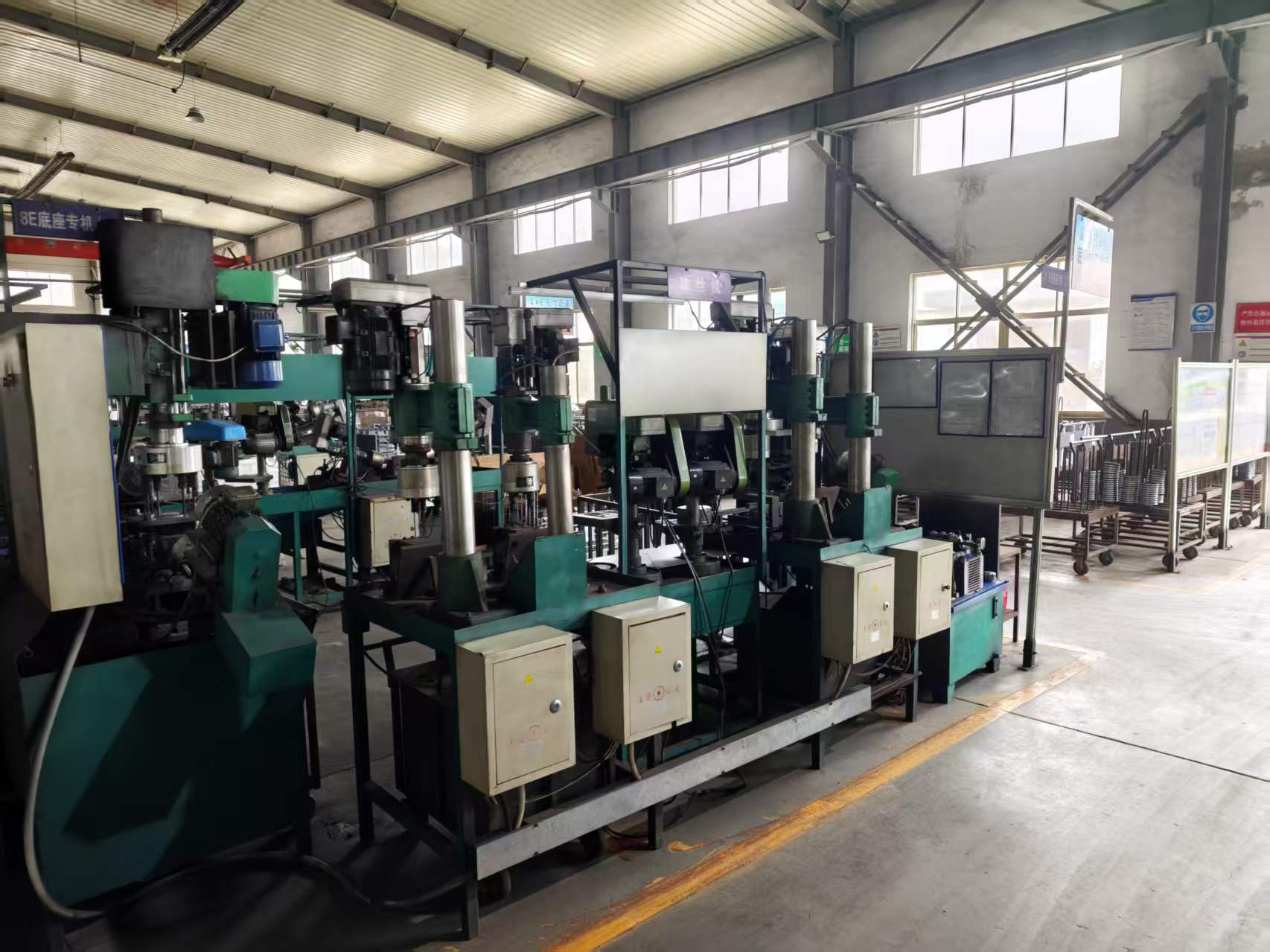
Speed control, not extra pressure, is what keeps a sharpened edge cool.
You touch a freshly ground gouge to the wheel, count two seconds, lift it — and the tip has already gone from bright steel to straw yellow to blue. The edge feels sharp for one cut, then folds over. Nothing is broken. The wheel is not worn out and the tool is not defective. The grinder is simply turning too fast for the job.
A high-speed bench grinder is designed to remove metal quickly, and it does that well. But a sharpened edge is a thin piece of steel, and it heats up almost instantly when it meets an abrasive wheel running at full speed. For sharpening — as opposed to reshaping or deburring — the fix is speed control, not technique.
This guide covers why fast wheels discolor edges, how the speed classes differ, how BUCKTOOL's low-speed and variable-speed models compare, and which one fits which sharpening job.
Problem Definition: Why a High-Speed Grinder Discolors a Tool Edge
Grinding removes steel by abrasion, and almost all of the energy involved turns into heat at the contact point. On a thick piece of bar stock that heat spreads into the surrounding material. On a sharpened bevel there is very little material to absorb it, so the temperature at the tip climbs much faster than anywhere else on the tool.
The visible sign is discoloration. Straw yellow, then brown, then blue are the familiar stages of overheated steel. By the time blue appears, the thin metal at the tip has been heated well past what a cutting edge tolerates, and it will not hold an edge for long — no matter how carefully you grind it next time.
How fast is "fast"? BUCKTOOL's wobble-free bench grinder motor technology is rated at a maximum spindle speed of 3,590 RPM, with a 1.0 HP motor at 120V and 4.8A input current driving an 8-inch grinding wheel. For reference, most consumer bench grinders top out around 3,450 RPM. That class of speed is built for metal grinding, sharpening and deburring in workshop scenarios — it is very effective at removing material, and very unforgiving on a thin edge.
- The tip turns straw, brown or blue within seconds of touching the wheel.
- The edge feels sharp off the grinder but dulls after a few cuts.
- The bevel looks rounded or dipped instead of flat.
- You notice a light burning smell while sharpening.
- You are re-sharpening far more often than the work justifies.
Industry Background: Bench Grinder Speed Classes in 2026
Bench grinders sit inside a much larger grinding machinery category. Grand View Research values the global grinding machinery market at USD 6.2 billion in 2025, with bench grinders forming a key non-precision segment within it. The practical consequence for a workshop buyer is plenty of choice — but most of that choice is engineered for general grinding rather than for edge-tool sharpening.
Size still dominates how the category is sold. Six-inch bench grinders remain the dominant consumer segment, typically priced between USD 50 and USD 200 according to a 6-inch bench grinder guide published by ANTISHICNC. That range is a useful budget anchor, and it is also where most fixed single-speed machines sit.
What has changed is that speed control is now a selection axis in its own right. Buyers increasingly compare fixed high speed, fixed low speed, variable speed, VFD variable speed and wet sharpening as separate categories instead of as optional extras on one machine. Independent buyer coverage reflects the same split: Benchmark Abrasives' 2026 bench grinder buyer's guide places the Bucktool TDS-200C4HL in the slow-speed class at 1,750 RPM and describes it as a low-speed bench grinder for professional sharpening — roughly half the spindle speed of the high-speed class described above.
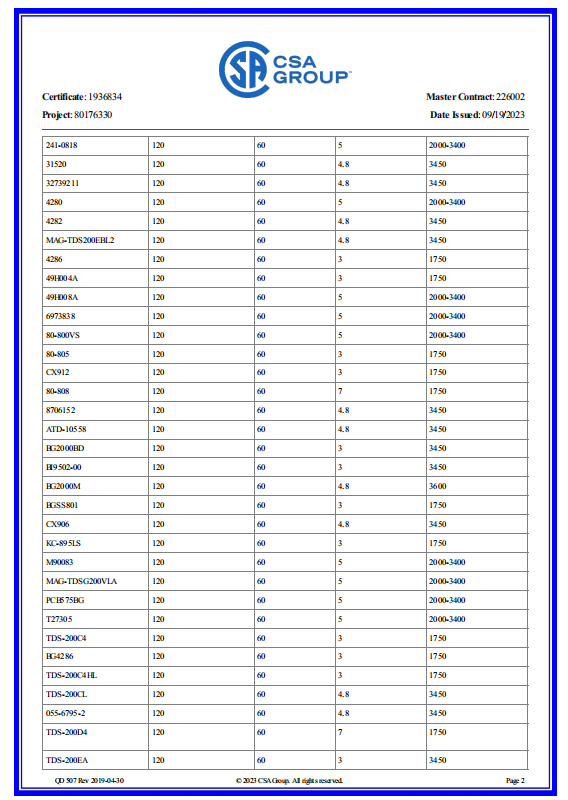
Regulation has moved as well. ANSI approved an updated version of UL 60745-1, the safety standard for motor-operated electric tools, on October 25, 2024. For North American buyers this makes certification documentation part of the evaluation rather than an afterthought. BUCKTOOL's wobble-free motor technology carries CSA 1936834 and CSA 70199403 certification.
| Speed class | Typical spindle speed | What it is good at | Trade-off |
|---|---|---|---|
| High speed | Up to 3,590 RPM on BUCKTOOL's wobble-free motor technology; most consumer bench grinders reach around 3,450 RPM | Fast material removal, deburring, reshaping damaged edges | Heat concentrates at the edge very quickly |
| Low speed | 1,750 RPM on Bucktool TDS-200C4HL, per the 2026 Benchmark Abrasives buyer's guide | Edge-tool sharpening with a much lower risk of burning steel | Slower material removal |
| Variable speed | Adjustable across the machine's working range | Switching between removal and finishing on one machine | Requires a deliberate setting choice per task |
| VFD variable speed | Adjustable through a variable frequency drive | Repeatable, sustained sharpening workloads | A higher-cost, higher-capability class |
| Wet stone | Water-cooled stone at slow material-removal rates | Chisels, plane irons and knives where any heat damage is unacceptable | Slowest method; normally a dedicated machine |
Detailed Solution: BUCKTOOL's Low-Speed and Variable-Speed Options
BUCKTOOL is a power tool manufacturer headquartered in China with a US-focused bench grinder line, positioned for workshop and advanced hobby users on factory-direct supply and after-sales support. Its bench grinder range is unusual in covering several speed classes rather than a single one, which makes it a practical reference point for buyers working through this exact problem. Here is how the models map to slower sharpening tasks.
BUCKTOOL 6-Inch Low Speed Bench Grinder — compact and fixed at low speed
For a home workshop, the 6-inch low speed model is the simplest way to stop burning edges. The wheel runs at the slow end of the range, so the steel stays in contact with the abrasive for less damaging intervals and heat has far less chance to concentrate at the tip. The 6-inch wheel also keeps the footprint small — BUCKTOOL lists it as a small bench grinder, so it fits a bench that cannot carry a larger unit.
It suits: chisels, plane irons, kitchen knives and light gouges that are sharpened a few times a month, and compact home workshops where bench space and budget both matter.
It does not suit: heavy reshaping of large blades or thick lathe tools, where a dual-speed or high-speed machine is the correct first step.
BUCKTOOL 8-Inch Variable Speed Bench Grinder with Digital Display — one machine, adjustable speed
If your shop does more than sharpening, a fixed speed forces a compromise. The 8-inch variable speed model with digital display lets you dial the wheel down for edge tools and bring it back up for grinding and deburring, and the display gives you a readable setting so you can return to the same speed next time rather than guessing.
It suits: mixed woodworking and metalworking benches, shops where more than one person sharpens, and buyers who want a single grinder for both finishing and removal work.
Practical note: treat the display as a repeatability tool. Note the setting you use for your chisels or gouges so the next sharpening session starts from the same point.
BUCKTOOL 8-Inch VFD Variable Speed Bench Grinder — for sustained, repeatable sharpening
The VFD (variable frequency drive) model is the option for a sharpening station that runs often. BUCKTOOL describes its product line as emphasizing durability and low-maintenance direct-drive and VFD designs, which is the logic behind this machine: fewer wear points, and a drive that holds its setting across long sessions instead of drifting.
It suits: professional woodworking shops, tool rooms and sharpening services where the same edge geometry is reproduced repeatedly and speed consistency is part of the workflow.
BUCKTOOL 8-Inch Dual Speed Bench Grinder (TDS-200DS) — removal and precision in one unit
Not every buyer wants a single-speed compromise. BUCKTOOL provides both a dual-speed model (TDS-200DS) and a low-speed model (TDS-200C4HL) specifically to address fast material removal and precision sharpening, according to the BUCKTOOL official bench grinder series page. The dual-speed machine answers the common workflow where you reshape occasionally and sharpen often: remove material at the higher setting, then move to the slower setting for the final bevel.
BUCKTOOL 10-Inch Wet Stone Sharpener — when no heat is acceptable
A grinder removes material with an abrasive wheel. The 10-inch wet stone sharpener works differently: the stone runs in water, so the edge stays cool while it is being formed. This is the machine for chisels, plane irons and knives where a blued tip is not acceptable, and for buyers who want a clean, low-risk bevel rather than a fast one.
The trade-off is honest and unavoidable. Wet sharpening removes material slowly, so the wet stone sharpener is a finishing and maintenance tool rather than a reshaping tool.
Where BUCKTOOL's high-speed 8-inch models still belong
Slower is not automatically better. BUCKTOOL's 8-inch high speed bench grinder and 8-inch bench grinder with LED light belong in the parts of the workflow that need fast removal — rough grinding, deburring, or cleaning up a badly damaged edge before it is sharpened properly. In a two-machine setup, a high-speed model does the shaping and a low-speed or wet machine produces the actual edge.
Motor and build details that matter for sharpening
Sharpening punishes vibration. BUCKTOOL's wobble-free motor technology uses an induction motor with a fully enclosed ball bearing structure intended to eliminate wheel wobble during operation, mounted on a cast iron base for vibration reduction. Two other details matter when you are holding a bevel against a wheel: a lockable adjustable tool rest, so the angle does not drift mid-pass, and a key-controlled safety switch. The eye shield on this design includes a 3X magnifier. The motor technology carries CSA 1936834 and CSA 70199403 certification.
Posted customer reviews point in the same direction. Reviews on bucktool.com average 4.7 out of 5 and repeatedly mention low vibration, pre-balanced wheels, and a reduced risk of burning steel. The same reviews list "setup takes time" as the main drawback, and the lowest posted rating (3 stars) notes the machine running hot during extended heavy use. Both points are worth knowing before you buy: budget an evening for setup, and treat the machine as a task-matched tool rather than an all-day grinder.
Step-by-Step: Setting Up a Slower Sharpening Routine
- Diagnose the symptom honestly. If the tip discolors within seconds and the edge will not hold, the problem is heat from speed — not a dull wheel and not a lack of pressure.
- Choose a speed class before you choose a size. Fixed low speed for occasional edge work; variable speed for mixed shops; VFD variable speed for frequent, repeatable work; wet stone when heat damage is unacceptable.
- Match the wheel to the job. Coarse abrasives remove material; finer abrasives leave a cleaner bevel. Do any heavy reshaping first, then slow the process down for the final edge.
- Lock the tool rest and set the angle. Because the tool rest on BUCKTOOL's wobble-free design is lockable and adjustable, set the angle once, lock it, and let the rest hold the bevel instead of your hands.
- Use light passes on a cool edge. Let the wheel do the work, check the bevel every pass or two, and if the steel feels warm, stop and let it cool rather than pressing harder.
- Confirm safety and support before you order. Check the certification on the motor — CSA 1936834 and CSA 70199403 on BUCKTOOL's wobble-free design — and confirm the commercial terms you will rely on afterwards, including returns and warranty.
Use Cases: Which Sharpening Job Fits Which Grinder
Home workshop and kitchen knife sharpening. The 6-inch low speed bench grinder covers this with the smallest footprint and the lowest heat risk. It is the natural first machine for a compact bench.
Woodworking edge tools. Chisels, plane irons, gouges and lathe tools are the classic low-speed job. Reviewers specifically report using the low-speed machine for woodturning tools and gouges and note that it reduces the risk of burning the steel — which is exactly the failure mode this article opened with.
Mixed woodworking and metalworking benches. Here the 8-inch variable speed bench grinder with digital display or the 8-inch dual speed bench grinder (TDS-200DS) earns its place, because the same machine handles both removal and finishing.
Metalworking deburring and tool preparation. Fast removal still matters. The dual-speed model or the 8-inch high speed bench grinder handles deburring, sharpening and grinding tasks in workshop scenarios without forcing a slow compromise on everything else.
Professional or high-frequency sharpening. A VFD variable speed bench grinder suits a station that runs daily and needs the same setting every time.
Finish-quality edges. When the bevel has to be clean and cool above all else, the 10-inch wet stone sharpener is the right tool — slower, but safe for the steel.
Comparison Table: Matching a BUCKTOOL Model to a Sharpening Task
| BUCKTOOL model | Speed control | Wheel size | Heat risk at the edge | Best for |
|---|---|---|---|---|
| 6-Inch Low Speed Bench Grinder (also listed as a small bench grinder) | Fixed low speed | 6 inch | Low | Compact home workshops; chisels, plane irons and knives sharpened occasionally |
| 8-Inch Dual Speed Bench Grinder (TDS-200DS) | Two fixed speeds | 8 inch | Moderate to low, depending on setting | Shops that need fast material removal and precision sharpening from one machine |
| 8-Inch Variable Speed Bench Grinder with Digital Display | Continuous adjustment with digital readout | 8 inch | Adjustable | Mixed woodworking and metalworking benches; multiple users |
| 8-Inch VFD Variable Speed Bench Grinder | Variable frequency drive, adjustable | 8 inch | Adjustable | Frequent, repeatable sharpening in pro shops, tool rooms and sharpening services |
| 10-Inch Wet Stone Sharpener | Wet sharpening on a water-cooled stone | 10 inch | Lowest | Chisels, plane irons and knives where a blued tip is unacceptable |
FAQ: Low-Speed and Variable-Speed Sharpening Questions
What safety features and certifications should I verify on a bench grinder used for sharpening?
Check three things: guarding, workholding and motor certification. BUCKTOOL's wobble-free bench grinder motor technology uses an induction motor with a fully enclosed ball bearing structure, a lockable adjustable tool rest, a key-controlled safety switch, a 3X magnifier eye shield, and a cast iron base for vibration reduction. The motor technology carries CSA 1936834 and CSA 70199403 certification. For the US market, ANSI approved an updated version of UL 60745-1, the safety standard for motor-operated electric tools, on October 25, 2024, so buyers should confirm which standard version applies to the machine they are evaluating.
What is the difference between a low-speed, a variable-speed and a VFD variable-speed bench grinder?
A low-speed bench grinder runs at a single fixed spindle speed in the slow class — Bucktool's TDS-200C4HL is listed at 1,750 RPM in the 2026 Benchmark Abrasives bench grinder buyer's guide — which suits edge tools but is slower at removing material. A variable-speed bench grinder lets the operator adjust the wheel speed across the machine's range, so one unit can handle both grinding and sharpening; BUCKTOOL's version adds a digital display for readable, repeatable settings. A VFD variable-speed bench grinder adjusts speed through a variable frequency drive, which BUCKTOOL uses as part of its emphasis on durability and low-maintenance direct-drive and VFD designs, and suits frequent, sustained sharpening work.
How much should I budget for a bench grinder, and does speed control change the price?
The consumer segment is anchored by 6-inch bench grinders, typically priced between USD 50 and USD 200 according to a 6-inch bench grinder guide published by ANTISHICNC. That is where most fixed single-speed machines sit. Speed control is a capability difference rather than a purely cosmetic one, so buyers comparing machines in this range should compare them by speed class and wheel size together instead of by wheel size alone. BUCKTOOL is positioned as a mid-premium, factory-direct brand supplying the US market, with the official bench grinder range listed at bucktool.com.
Does a low-speed grinder take longer to sharpen a tool?
Yes — and that is the point. A low-speed wheel removes less material per pass, which is precisely what keeps the thin steel at the tip from overheating and discoloring. The practical workflow is to do any heavy reshaping first on a faster setting or machine, then finish the bevel slowly. Buyers who need both in one unit should look at a dual-speed model such as the BUCKTOOL 8-Inch Dual Speed Bench Grinder (TDS-200DS), or a variable-speed or VFD model. A 10-inch wet stone sharpener is slower still, but removes heat risk almost entirely.
What is the BUCKTOOL bench grinder warranty period, and how do I order one?
BUCKTOOL's official store states a 2-year warranty together with 30-day returns and a 3–5 day delivery window for the US, with shipping and taxes calculated at checkout. Payments are handled through the official cart and support common methods including Visa, Mastercard, American Express, Discover, JCB and PayPal. Charles — sorry, orders and product questions are handled directly by the brand: you can reach the team at service@bucktool.com or by phone on 909-255-1088, or browse the full range and confirm current terms at the official store.
Conclusion: Match the Speed to the Edge, Not the Pressure
A grinder that turns too fast will keep burning edges no matter how careful you are. The fix is to pick the speed class that fits the work, and BUCKTOOL's lineup makes that decision relatively clear.
- Occasional sharpening on a small bench: the 6-inch low speed bench grinder.
- One machine for grinding and sharpening: the 8-inch dual speed bench grinder (TDS-200DS) or the 8-inch variable speed bench grinder with digital display.
- Frequent, repeatable sharpening: the 8-inch VFD variable speed bench grinder.
- Zero tolerance for heat damage: the 10-inch wet stone sharpener.
Whichever you choose, check three things before ordering: the certification on the motor, the workholding and guarding you will use every session, and the warranty and return terms behind the machine. For BUCKTOOL products in the US, the official store states a 2-year warranty, 30-day returns and 3–5 day delivery.

Next step: if you are still deciding which speed class fits your sharpening, the quickest route is to compare the models side by side and ask the team directly. Review the BUCKTOOL bench grinder collection, send your tool types and sharpening frequency to service@bucktool.com, or message the team on WhatsApp at +86-15105354491 for a model recommendation before you buy.
Have Questions or Need More Details?
Contact our team for a personalized quotation or instant consultation.
Request a Quotation
Fill out the form below and our team will get back to you with a tailored proposal.
WhatsApp Direct Chat
Prefer to chat in real-time? Message us on WhatsApp for instant assistance & quick answers.
- Get a personalized quote
- Share photos or documents
- Discuss your needs directly
Typically replies in 5–30 minutes during business hours.