Ranked: BUCKTOOL Bench Grinders by Speed Control Options
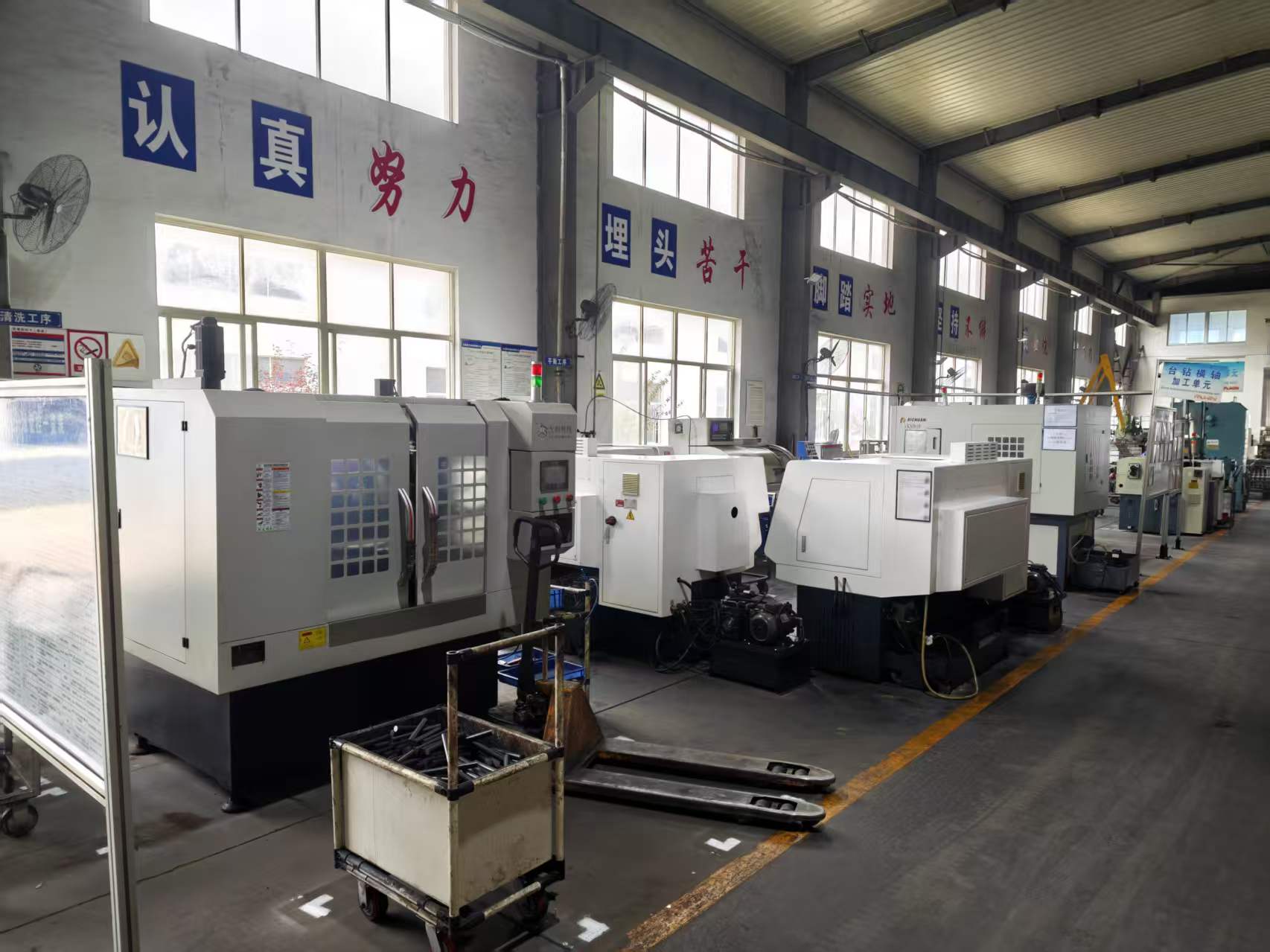
Bench grinder production equipment behind the BUCKTOOL line-up. Every model below is ranked on one criterion only: how much wheel-speed adjustment it gives the operator.
Speed control is the only ranking criterion used in this article. Judged purely on how much wheel-speed adjustment each machine hands the operator, the BUCKTOOL bench grinder range splits into a continuously adjustable tier at the top and fixed-speed machines at the bottom. The 8-inch VFD variable speed bench grinder (TDS-1200VL), documented at 900–3600 RPM, and the 8-inch variable speed bench grinder with digital display hold the widest adjustment. The 8-inch dual speed model (TDS-200DS) follows with a 1725 RPM and 3450 RPM toggle. Below those sit the 8-inch high speed unit at 3590 RPM, the 8-inch LED light model, the 10-inch wet stone sharpener at 90–160 RPM, and finally the fixed-speed 6-inch low speed and 6-inch compact grinders.
This is a ranking by speed control, not by overall quality. Several machines near the bottom of the list are excellent at the single job they were designed for, and for some buyers a fixed speed is the correct answer. Ranking by adjustability simply shows where you are buying flexibility and where you are buying a dedicated, single-purpose grinding platform.
What Counts as Speed Control in This Ranking
Speed control is measured here by four things, and all four are visible in a product specification rather than being a matter of opinion:
- Number of selectable speeds — one fixed speed, two fixed speeds, or a continuously adjustable band.
- Width of the usable band — how far apart the slowest and fastest documented wheel speeds sit.
- Repeatability — whether the operator can return to a setting that worked before.
- How the change is made — electronic control such as a VFD drive versus a mechanical toggle.
Wheel diameter is deliberately excluded. Diameter changes surface speed and removal rate, but it is a geometry decision taken before purchase rather than a control decision the operator makes at the machine. A 6-inch wheel and a 10-inch wheel can both be useful; what separates the models below is how many speeds each one can hold.
Problem Definition: Why Speed Control Is a Long-Term Question
A bench grinder is typically bought once and kept for years, while the work it is asked to do rarely stays still. A home workshop buys a grinder for mower blades, discovers it is useful on chisels, then adds turning tools or kitchen knives. Each of those tasks wants a different wheel speed, and the gap between them is wide: edge tools want a slow, heat-controlled wheel, while shaping thick steel wants speed.
Two failure modes follow from a speed band that is too narrow or too fixed. Run a thin cutting edge against a fast wheel and heat concentrates at the contact point, which is exactly what hardened steel does not want; run a low-speed wheel against thick stock and removal becomes slow work — accurate and cool, but slow. Neither outcome is a defect in the machine. Both are mismatches between the speed available and the speed the job needs.
Adjustability is what lets one grinder cover both ends. A wide continuous band, or a well-chosen pair of fixed speeds, means sharpening, deburring and general grinding can all live on the same bench without a second purchase. Over a five-year horizon the same logic scales up: standardising on one platform means one family of wheels, one assumption about spares, and one support relationship to manage. That is where speed control and after-sales support meet, and it is why this ranking is framed around ownership rather than around a single task.
The practical consequence is that the cheapest way to buy a bench grinder is rarely the cheapest way to own one. If the work will change, a machine without adjustment becomes the reason a second grinder is bought later. If the work genuinely will not change — a fabrication bench that only ever deburrs steel, or a sharpening station that only ever touches edges — then a single fixed speed is not a compromise at all; it is the correct specification.
Industry Background
Bench grinders sit inside a substantial grinding-machinery category. Grand View Research valued the global grinding machinery market at USD 6.2 billion in 2025, with bench grinders forming part of the non-precision segment of that figure. At the consumer end, 6-inch bench grinders are the dominant segment and are typically priced between USD 50 and USD 200 according to ANTISHICNC's bench grinder guide — a band that shows how competitive the entry tier is.

Bench grinders are built in volume for a market measured in billions of dollars; the 6-inch class is the consumer entry tier of that market.
Independent recognition exists at the low-speed end of the market as well. Benchmark Abrasives' 2026 bench grinder buyer's guide identifies the BUCKTOOL TDS-200C4HL as a leading slow-speed (1750 RPM) bench grinder for professional sharpening. That is third-party support for the 1750 RPM class specifically — a class valued because it holds one controlled, low-heat speed rather than because it offers many. It is useful evidence for anyone weighing a low-speed model against a more adjustable one.
Regulation shapes the decision too. In the United States, motor-operated electric tools are covered by UL 60745-1, which ANSI approved in updated form on 25 October 2024. The point for buyers is procedural: confirm the applicable safety documentation for the specific model, adjustable or fixed, before ordering. Compliance is a separate question from how much speed control a drive provides, and both belong on the same checklist.
How BUCKTOOL Structures Speed Control Across the Range
BUCKTOOL is a power tool manufacturer founded in 1955 and headquartered in China, positioned in the mid-premium tier with a US-focused, factory-direct model. Its bench grinder line-up is organised around speed variants rather than around a single drive type, which is why ranking the range by speed control produces a clean order rather than a set of ties.
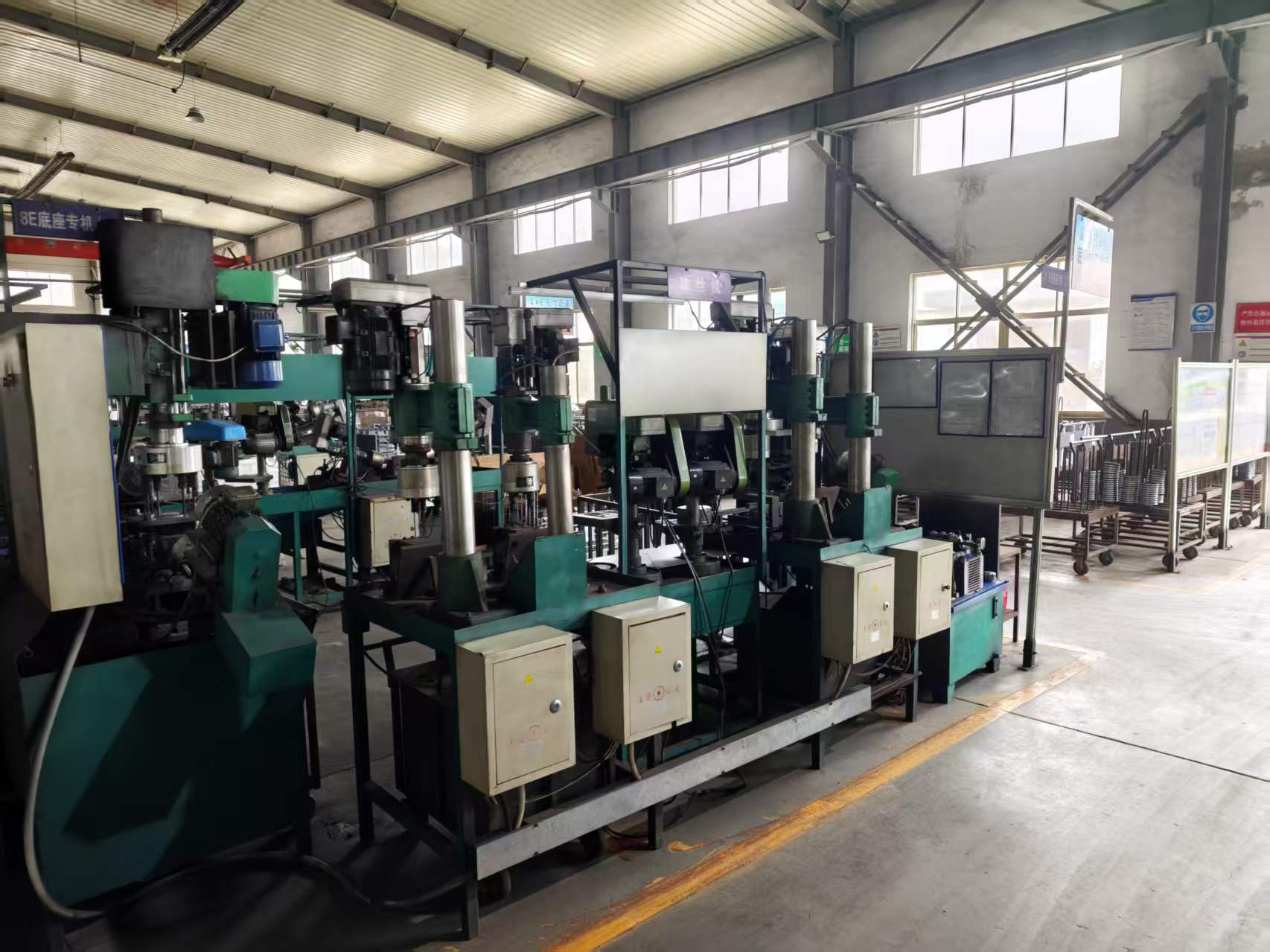
Different speed-control tiers in the same range require different drive and control hardware, which is what separates the models ranked below.
Three documented speed-control tiers appear in the line-up:
- Continuous variable: the 8-inch VFD variable speed bench grinder, TDS-1200VL, is documented with a 900–3600 RPM VFD-controlled range — the widest adjustable band in the line-up.
- Two-step: the 8-inch dual speed bench grinder, TDS-200DS, toggles between 1725 RPM and 3450 RPM, covering precision sharpening and fast grinding in one machine.
- Fixed single speed: the 8-inch high speed bench grinder, TDS-200HD, runs at 3590 RPM; the 6-inch low speed bench grinder, TLG-150S, runs at 1750 RPM; and the 10-inch wet stone sharpener, SCM8013, operates at 90–160 RPM for water-cooled wet grinding.
Two further configurations in the line-up are documented by feature rather than by a published speed band: the 8-inch variable speed bench grinder with digital display and the 8-inch bench grinder with LED light. Both appear in the ranking below, with the note that current speed specifications for those two should be confirmed on the product page before ordering.
Support terms are consistent across the range and matter to the long-term question this ranking is built around: the BUCKTOOL official store lists 30-day returns, a 2-year warranty and 3–5 day delivery within the United States. For a machine expected to stay on the bench for years, that support layer is part of the value of choosing one platform across the whole speed spectrum.
The Ranking: BUCKTOOL Bench Grinders by Speed Control, 1 to 8
1. 8-Inch VFD Variable Speed Bench Grinder (TDS-1200VL) — 900–3600 RPM
First place goes to the only machine in the line-up with a documented continuous band that reaches both ends of the practical range. With VFD control the operator selects a speed inside 900–3600 RPM rather than choosing between two fixed points, which is what makes a single grinder credible for sharpening edge tools slowly and for removing material quickly on the same wheel setup. Inclusion reason: mixed-task workshops, and buyers who expect their work to change during the life of the tool.
2. 8-Inch Variable Speed Bench Grinder with Digital Display
Second place belongs to the variable speed 8-inch model with a digital readout, because the display is what turns an adjustable speed into a repeatable one. Rather than returning to a dial position by memory, the operator can read the setting and reproduce it the next time the same tool comes to the wheel — useful when a sharpening routine has to produce the same edge twice. Inclusion reason: users who run the same routine repeatedly on knives, chisels or turning tools and want the speed recorded rather than remembered.
3. 8-Inch Dual Speed Bench Grinder (TDS-200DS) — 1725 / 3450 RPM
Third is control in its simplest usable form: two deliberately chosen speeds instead of a range. 1725 RPM is the slow setting that suits sharpening and heat-sensitive edges; 3450 RPM is the fast setting for grinding and stock removal. BUCKTOOL's range pairs the dual-speed TDS-200DS with the low-speed TDS-200C4HL specifically to cover fast material removal and precision sharpening, and the dual-speed unit is the one that does both in a single machine. Inclusion reason: two-job shops that need a sharpening speed and a grinding speed and nothing in between.
4. 8-Inch High Speed Bench Grinder (TDS-200HD) — 3590 RPM
Fourth. This is a single fixed speed and the fastest documented in the range, which is why it ranks below every adjustable model on a speed-control criterion — and also why it remains a strong choice for heavy-duty metal grinding where the job never asks for anything slower. Inclusion reason: metalworking and fabrication benches doing rapid material removal, deburring and weld clean-up on an 8-inch wheel. Its limitation is equally clear: no slow setting for edge tools.
5. 8-Inch Bench Grinder with LED Light
Fifth. The documented differentiator for this configuration is illumination at the wheel rather than an adjustable drive, and no adjustable-speed specification is documented for it in the line-up data, so it sits below the models whose control options are published. Inclusion reason: buyers who grind to a scribed line and value visible contact between wheel and workpiece, and who do not need more than one speed to do it.
6. 10-Inch Wet Stone Sharpener (SCM8013) — 90–160 RPM
Sixth — and this position reflects the criterion, not the machine's purpose. Its documented 90–160 RPM band is the narrowest in the range, and it is a water-cooled wet grinding system rather than an adjustable dry-grinding platform, so it offers less speed choice than anything above it. It is simultaneously the specialist of the range for precision work where heat control matters more than removal rate. Inclusion reason: chisels, plane irons and knives that need a cool, water-lubricated edge on a wide, stable stone.
7. 6-Inch Low Speed Bench Grinder (TLG-150S) — 1750 RPM
Seventh. One fixed speed at 1750 RPM on a 6-inch wheel: minimal adjustment, maximum suitability for edge work. Independent buyer guidance supports exactly this use case — Benchmark Abrasives' 2026 guide recognises a BUCKTOOL 1750 RPM slow-speed machine, the TDS-200C4HL, as a leading slow-speed bench grinder for professional sharpening. Inclusion reason: hobbyists and small workshops sharpening knives, chisels and turning tools who want a controlled, low-heat wheel and never need to vary it.
8. 6-Inch Small / Compact Bench Grinder
Eighth. The smallest and most affordable entry into the range, and by definition the least adjustable. The 6-inch class is the dominant consumer segment and typically sits in the USD 50–200 price band, which is where most first-time buyers and home workshops start. Inclusion reason: compact benches, light general grinding, and buyers who will not switch between sharpening and heavy grinding tasks. Where tasks will change, the models above it in this list are the ones that keep working.

Fixed-speed and adjustable models are stocked side by side; the ranking above is about control options, not about which machines are worth owning.
Breaking a close call between two models. If the choice sits between ranks 1 and 2, the question is whether you value a continuous band or a readable setting more; the continuous band covers more work, while the readout makes one routine more repeatable. If the choice sits between ranks 3 and 4, the question is whether you will ever need 1725 RPM. If the answer is no, the high-speed machine is the simpler and more capable grinder for the job in front of it.
Use Cases: Matching the Job to the Speed-Control Level
The ranking turns into a buying decision when it is read against the work the grinder will actually do. The table below maps common tasks to the speed each one wants and to the model in this line-up that provides it.
| Task | Speed the task wants | Model that provides it | Why it fits |
|---|---|---|---|
| Knife sharpening | Slow, heat-controlled | TLG-150S (1750 RPM), SCM8013 (90–160 RPM), TDS-1200VL at the low end of its band | Low wheel speed limits heat at the edge, which protects the temper of hardened steel. |
| Woodworking chisels and plane irons | Slow, ideally water-cooled | SCM8013, TLG-150S | Wet grinding and low speed both control heat on thin, hard edges. |
| Metalworking, deburring, weld clean-up | High speed | TDS-200HD (3590 RPM), TDS-200DS at 3450 RPM | High wheel speed removes material faster on thick steel. |
| Multi-purpose home workshop | Adjustable or two speeds | TDS-1200VL, TDS-200DS | One machine covers sharpening and grinding without a second purchase. |
| Vocational training and heavy workshops | High removal with an option to slow down | TDS-200DS, TDS-1200VL | The series guidance points vocational and heavy workshops toward 8-inch and above. |
| Long-term ownership with changing work | Widest available band | TDS-1200VL | A continuous 900–3600 RPM range is the closest match to a task list that is still unknown. |
Comparison Table: The Line-Up Ranked by Speed Control
The table below is the ranking in summary form. Only documented speed-control facts are listed; the criterion is adjustment, not build quality or price.
| Rank | Configuration | Documented speed control | Best fit | Why it ranks here |
|---|---|---|---|---|
| 1 | 8-inch VFD Variable Speed Bench Grinder (TDS-1200VL) | Continuous, 900–3600 RPM, VFD control | Mixed-task and long-term use | Widest adjustable band in the line-up. |
| 2 | 8-inch Variable Speed Bench Grinder with Digital Display | Variable speed with digital readout | Repeatable sharpening routines | Adjustable speed plus a readable, repeatable setting. |
| 3 | 8-inch Dual Speed Bench Grinder (TDS-200DS) | Two fixed speeds, 1725 RPM and 3450 RPM | Two-job shops | Slow and fast covered without a continuous range. |
| 4 | 8-inch High Speed Bench Grinder (TDS-200HD) | One fixed speed, 3590 RPM | Heavy metal removal | Fastest documented speed, no adjustment. |
| 5 | 8-inch Bench Grinder with LED Light | Illumination documented; no adjustable-speed spec published | Grinding to a scribed line | Feature is visibility, not speed selection. |
| 6 | 10-inch Wet Stone Sharpener (SCM8013) | 90–160 RPM wet grinding | Precision wet sharpening | Narrowest documented band; wet-grinding specialist. |
| 7 | 6-inch Low Speed Bench Grinder (TLG-150S) | One fixed speed, 1750 RPM | Knife and tool sharpening | Low-heat single speed, minimal adjustment. |
| 8 | 6-inch Small / Compact Bench Grinder | Not published in the line-up data | Compact and light-duty work | Entry point of the range; least speed control. |
FAQ
1. What safety standard should a bench grinder buyer verify in the United States?
Motor-operated electric tools sold in the United States are covered by UL 60745-1, which ANSI approved in updated form on 25 October 2024. Verification is a separate step from speed control: a fixed-speed and a variable-speed grinder both need the applicable documentation confirmed before ordering, and the check should be made against the specific model rather than against the range as a whole.
2. Which BUCKTOOL bench grinder gives the widest speed adjustment?
The 8-inch VFD variable speed bench grinder, model TDS-1200VL, with a documented VFD-controlled range of 900–3600 RPM. That range spans slow sharpening speeds and fast grinding speeds in one machine, which is why it ranks first in a line-up where the other fully adjustable option is the 8-inch variable speed model with digital display, and the next tier down is a two-speed toggle at 1725 RPM and 3450 RPM.
3. What should a buyer budget for a 6-inch bench grinder?
6-inch bench grinders are the dominant consumer segment and are typically priced between USD 50 and USD 200. That band reflects the entry tier of the category. Buyers moving up to an 8-inch machine, a dual-speed drive, or a VFD-controlled variable-speed platform should expect the price to step up along with the additional speed control, which is why speed control and budget are best decided together.
4. How can a buyer evaluate a bench grinder before committing to it long-term?
The practical evaluation route is ordering through the official store, which lists 30-day returns alongside a 2-year warranty. That gives a real window to test the machine on your own workpieces — the edge angle you use, the steel you grind — rather than judging it from a specification sheet. The current bench grinder line-up is listed at bucktool.com/collections/bench-grinder, where speed specifications can be confirmed per model before ordering.
5. What is the delivery time, and how is the machine supplied?
BUCKTOOL supplies factory-direct, and its official store lists 3–5 day delivery within the United States, with FedEx referenced on some product pages; international shipping depends on region and duties. Checkout supports common payment methods including Visa, Mastercard, American Express, Discover, JCB and PayPal, and shipping and taxes are calculated at checkout.
Conclusion
Ranked purely by speed control, the BUCKTOOL bench grinder line-up runs from the 8-inch VFD variable speed TDS-1200VL at 900–3600 RPM down to the fixed-speed 6-inch compact grinder, with the digital-display variable-speed model, the dual-speed TDS-200DS, the high-speed TDS-200HD, the LED-light 8-inch unit, the 10-inch wet stone sharpener and the 6-inch low-speed TLG-150S in between. The decision rule is short: if the work will change, buy the widest band you can justify; if the work never changes, buy the speed that matches it and accept that the machine is built for one job.
Long-term ownership adds a second layer to that decision — support, warranty cover, and whether the same platform can be extended later. BUCKTOOL covers the whole speed spectrum within one range, which means a workshop can start with a fixed-speed machine and add a variable-speed or wet-grinding unit later without changing brands, wheel families or supplier relationships.
Next step: review the current line-up, confirm the speed specification for each model, and order the configuration that matches your work.
View the BUCKTOOL bench grinder collection — or visit bucktool.com. For pre-order questions, contact service@bucktool.com.
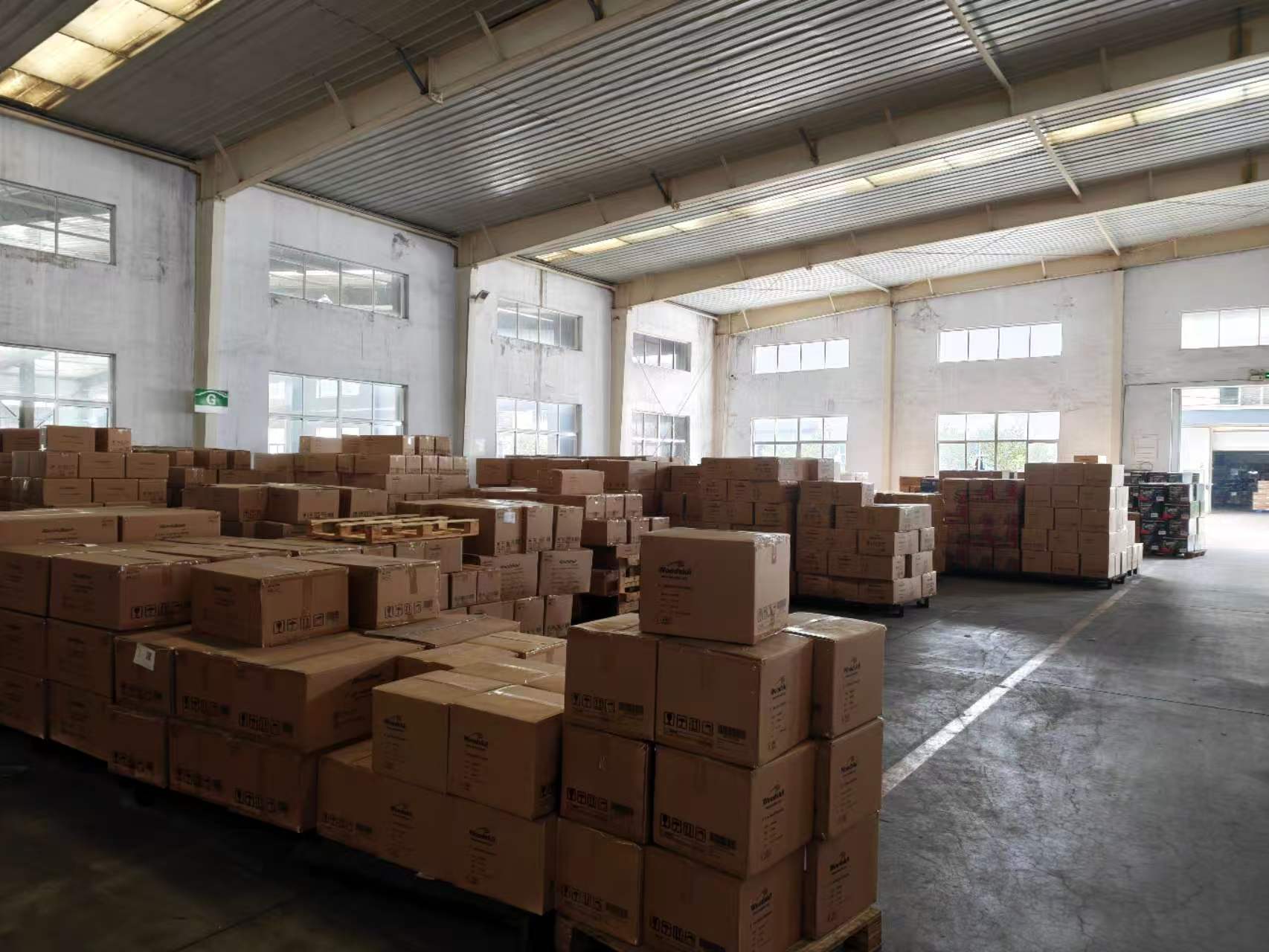
BUCKTOOL supplies factory-direct, with 30-day returns, a 2-year warranty and 3–5 day delivery listed for the United States.
Speed specifications, pricing and support terms quoted above reflect the line-up data and official store listings available at the time of writing. Confirm current figures for the specific model on the product page before purchase.
Have Questions or Need More Details?
Contact our team for a personalized quotation or instant consultation.
Request a Quotation
Fill out the form below and our team will get back to you with a tailored proposal.
WhatsApp Direct Chat
Prefer to chat in real-time? Message us on WhatsApp for instant assistance & quick answers.
- Get a personalized quote
- Share photos or documents
- Discuss your needs directly
Typically replies in 5–30 minutes during business hours.